Retatrutide: what the research shows.
Retatrutide is an investigational peptide that acts on three receptors at once — GLP-1, GIP, and glucagon. In a Phase 2 trial it produced some of the largest weight changes ever reported for a pharmacologic compound (about 24% mean reduction at 48 weeks at the highest dose). It is not approved for human use, and Phase 3 trials are still ongoing.

What is retatrutide?
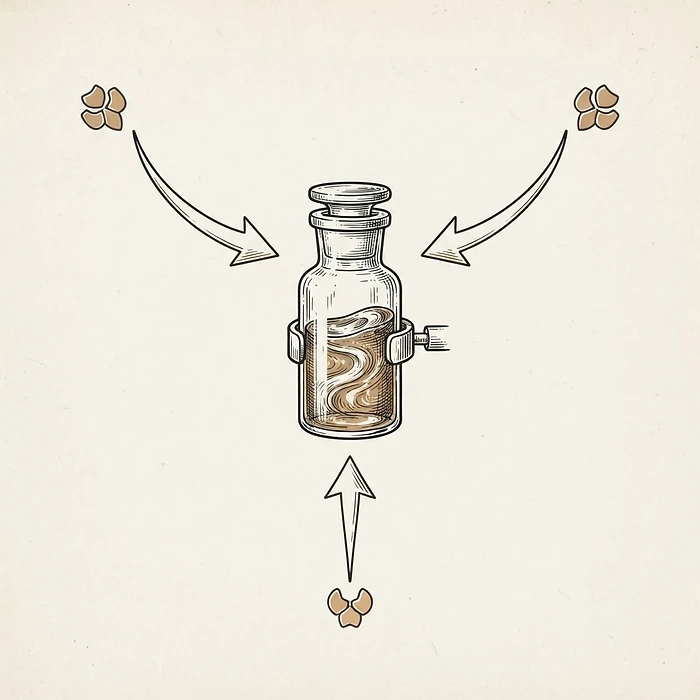
Retatrutide (development code LY3437943) is a 39-amino-acid synthetic peptide developed by Eli Lilly. It is a triple receptor agonist — a single molecule engineered to activate the GLP-1 receptor, the GIP receptor, and the glucagon receptor at the same time. In trials it is administered as a once-weekly subcutaneous injection, with doses escalated gradually to manage side effects.
It is important context that retatrutide is not approved for human use by the FDA, EMA, or any other regulator. It is an investigational compound in Phase 3 development, and any product sold outside the clinical trial system is unregulated.
How it works: triple receptor agonism
Retatrutide combines the mechanisms of three hormonal pathways:
- GLP-1 receptor activity slows stomach emptying and acts on brain appetite centers, reducing food intake — the same pathway targeted by semaglutide.
- GIP receptor activity amplifies insulin release after meals and may act directly on fat tissue.
- Glucagon receptor activity is the distinguishing feature. Glucagon normally raises blood sugar, but in combination with GLP-1 it appears to increase energy expenditure and fat use rather than destabilizing glucose.
The design rationale is that the three pathways together produce a larger effect than any one or two of them — which is roughly what the Phase 2 data showed.
What researchers are studying
- Obesity and weight management (the TRIUMPH Phase 3 program)
- Glycemic control in type 2 diabetes
- Non-alcoholic steatohepatitis (NASH/MASH) and liver fat
- Obstructive sleep apnea
- Cardiovascular and metabolic risk markers
What the research shows
The main human evidence is the Phase 2 dose-finding trial published in the New England Journal of Medicine (Jastreboff et al., 2023; 338 adults with obesity). Over 48 weeks:
- Mean weight change at the highest dose (12 mg) was about −24%, versus roughly −1% on placebo — among the largest pharmacologic effects reported in a peer-reviewed obesity trial.
- Improvements were also seen in waist circumference, blood pressure, and lipid markers.
- The most common side effects were gastrointestinal — nausea, vomiting, diarrhea — concentrated during dose escalation. A modest increase in heart rate was also reported.
Phase 3 trials are ongoing; longer-term safety, durability, and real-world outcomes remain unanswered.
Research limitations
- No long-term (multi-year) human safety data exists yet.
- The Phase 2 population was relatively small (n=338) and short (48 weeks).
- Increased heart-rate signals seen with glucagon receptor activity are still being characterized.
- Nothing is known about effects outside clinical dosing protocols.
Common terminology
- Receptor agonist — a molecule that activates a receptor.
- GLP-1 / GIP — incretin hormones released by the gut that regulate insulin and appetite.
- Glucagon receptor — receptor for the hormone that raises blood glucose; also involved in energy expenditure.
- Phase 2 / Phase 3 — stages of clinical development before approval.
Anyone evaluating retatrutide material should also understand peptide purity, peptide content, and why batch-specific COAs matter.
Questions. answered.
Is retatrutide approved for human use?
No. Retatrutide is an investigational compound in Phase 3 clinical trials. It has no approval from the FDA, EMA, or any other regulator, and products sold outside trials are unregulated research chemicals.
How is retatrutide different from tirzepatide?
Tirzepatide activates two receptors (GIP and GLP-1). Retatrutide adds a third — the glucagon receptor — which is thought to increase energy expenditure on top of appetite effects. See our tirzepatide guide for the full comparison.
What were the Phase 2 results?
Across 48 weeks, the highest tested dose produced roughly 24% mean weight reduction — among the largest reported for a pharmacologic compound in a Phase 2 obesity trial — alongside improvements in blood pressure and lipids.