Peptide research compounds.
Educational guides to individual research compounds — what they are, the mechanisms researchers study, what current trials show, and where the evidence stops. Research education only; never medical or dosing advice.

Retatrutide
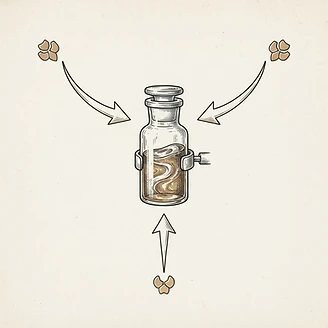
Retatrutide is an investigational peptide that acts on three receptors at once — GLP-1, GIP, and glucagon. In a Phase 2 trial it produced some of the largest weight changes ever reported for a pharmacologic compound (about 24% mean reduction at 48 weeks at the highest dose). It is not approved for human use, and Phase 3 trials are still ongoing.
Read the guide
Tirzepatide
Tirzepatide is a 39-amino-acid dual agonist of the GIP and GLP-1 receptors, approved in the US as a prescription medicine for type 2 diabetes and obesity (Mounjaro, Zepbound). In the SURMOUNT-1 trial, the highest dose produced about 20.9% mean weight loss over 72 weeks. As a regulated drug, products sold as "research tirzepatide" bypass that regulation entirely.
Read the guide

BPC-157
BPC-157 is a 15-amino-acid synthetic peptide derived from a protein found in human gastric juice. It is one of the most-studied healing peptides in rodents — with animal data on tendon, ligament, gut, and wound repair — but it has essentially no published human clinical trials, and it is not approved for human use anywhere.
Read the guide

GHK-Cu
GHK-Cu is a naturally occurring tripeptide (glycine–histidine–lysine bound to copper) identified in human plasma in 1973. It is studied for wound healing and skin biology, where it stimulates collagen and tissue remodeling signals in cell and animal studies. Human evidence is mostly small cosmetic trials; it is not an approved medicine, and cosmetic "copper peptide" products differ from research-grade peptide.
Read the guide
Semaglutide
Semaglutide is a long-acting GLP-1 receptor agonist — a modified peptide given by once-weekly injection (or daily oral tablet) — approved as Ozempic, Wegovy, and Rybelsus for diabetes and obesity. In the STEP 1 trial it produced about 14.9% mean weight loss over 68 weeks, and it has the largest published trial base of any GLP-1 medicine. As with all regulated medicines, products sold as "research semaglutide" are outside any regulated supply chain.
Read the guideNew compound guides are added as the research library grows. For the laboratory side of peptide research, see Testing & COAs — purity, content, HPLC, LC-MS, and identity testing explained in plain language.
Get a new guide every week.
Subscribe free and the Beginner's Guide, the COA Guide, and the Safety Guide are yours the moment you sign up.